
Dead Trees
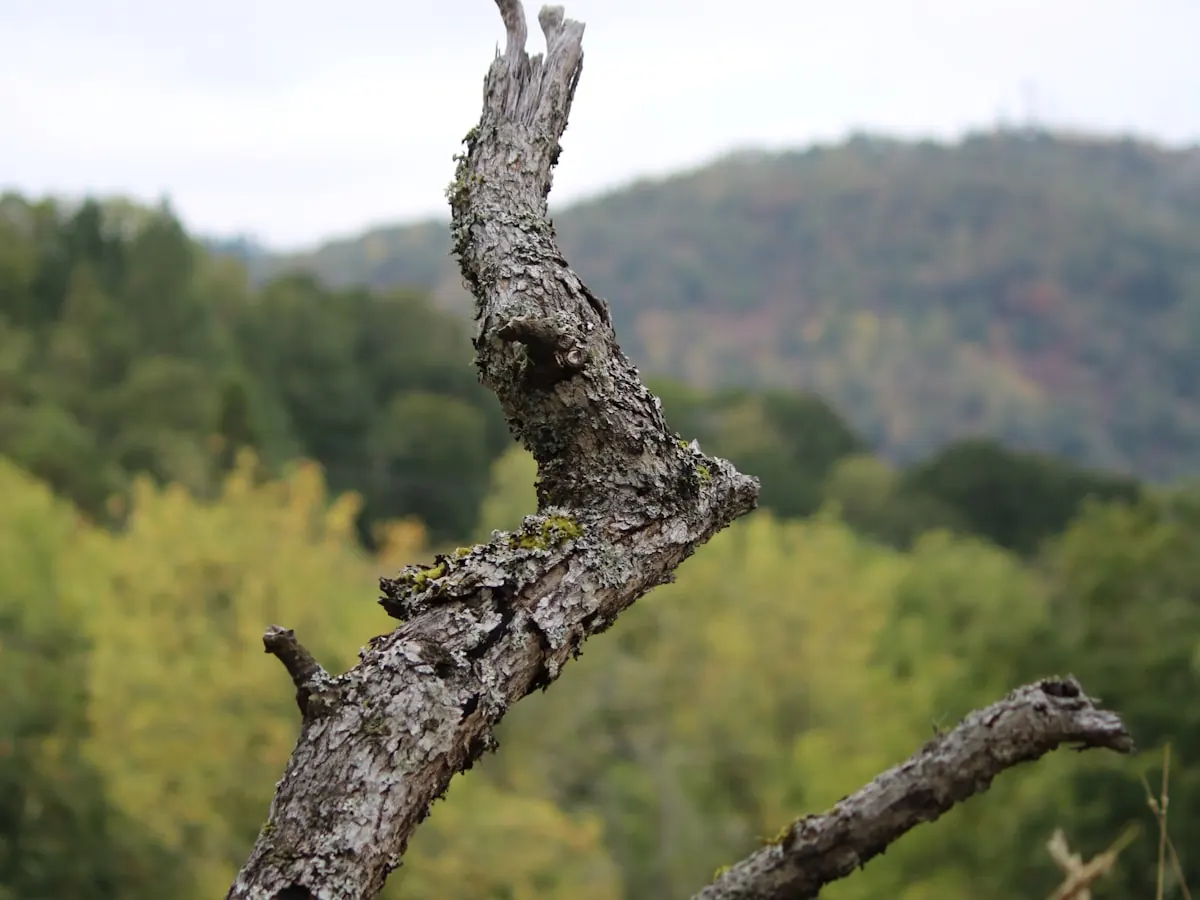
Standing dead trees that are only becoming more brittle and dangerous.

Tree permit help and arborist reports across Delaware. We confirm which rules apply to your address before we quote.
5.0 on GoogleAbout us
We help homeowners, builders, HOAs and property managers across Delaware figure out whether a tree permit applies, and we write the arborist reports that towns, insurers and boards ask for. Delaware has no statewide tree permit, so the rules depend on your town.
Our tree experts confirm which authority governs your address before quoting, handle the paperwork where a permit is needed, and put their findings in a clear written report. If the tree then needs work, our own insured crews can do it.
Learn More About Us
The documentation
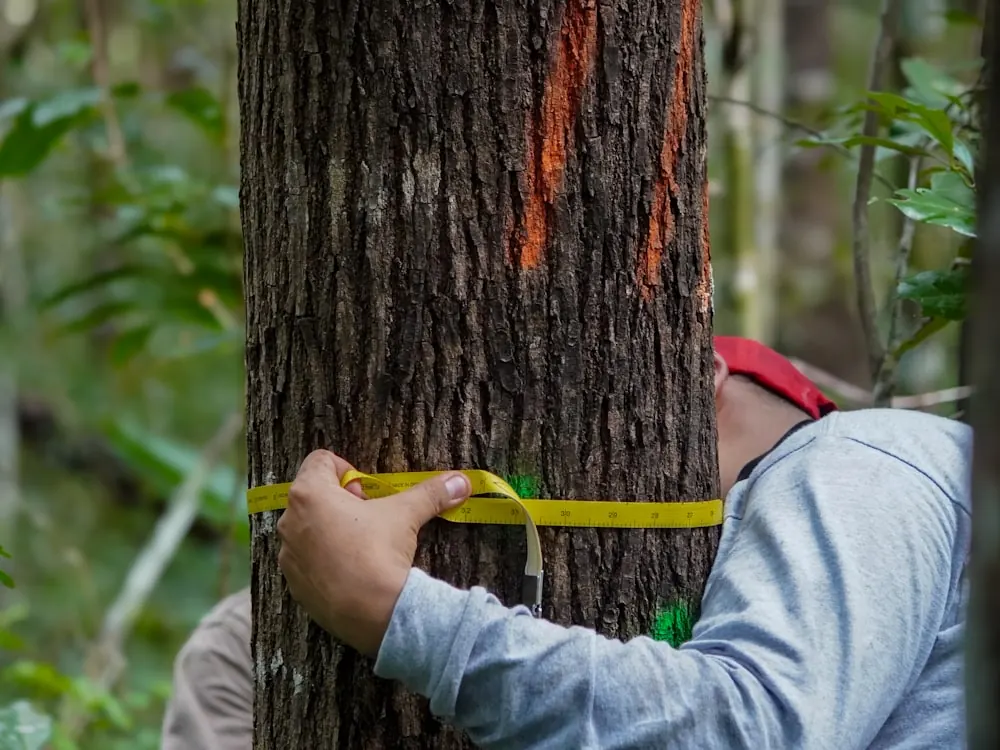
An arborist report is a written assessment of a tree by one of our tree experts. Towns, insurers and HOAs ask for one when a decision has to be backed by evidence.
Do you need one?
Permits aren't universal in Delaware, but these are the situations where a permit or written approval may apply.
Please note: permit requirements vary by municipality and property type. Check your local rules before starting work, and if you're not sure, we can find out for you.
What we look for
A structured, evidence-based look at how likely a tree is to fail, and what to do about it.
Cracks, cavities and poor form that weaken the whole tree.
Looking for signs of internal decay that aren’t obvious from outside.
Checking the roots for cuts, decay or heaving soil.
Judging whether a lean is stable or an early warning.
Deadwood and failure-prone limbs, mapped and rated.
Infestation and infection that undermine the tree's strength.
Post-storm assessment of what's safe to keep and what isn't.
A clear, prioritized plan to bring the risk back down.
Is the tree well?
Beyond risk, we look at how healthy the tree is and give you a plan to keep it that way.
Naming what is wrong, from cankers and blights to wilts.
Checking for borers, beetles and active infestations.
Reading the ground and roots the tree depends on.
Density, dieback and leaf color show how the tree is doing.
Vigor and new shoot growth over recent seasons.
A practical plan to get the tree healthy and keep it there.
What we assess
These are the problems that most often lead to an arborist visit and end up documented in a report.
Standing dead trees that are only becoming more brittle and dangerous.
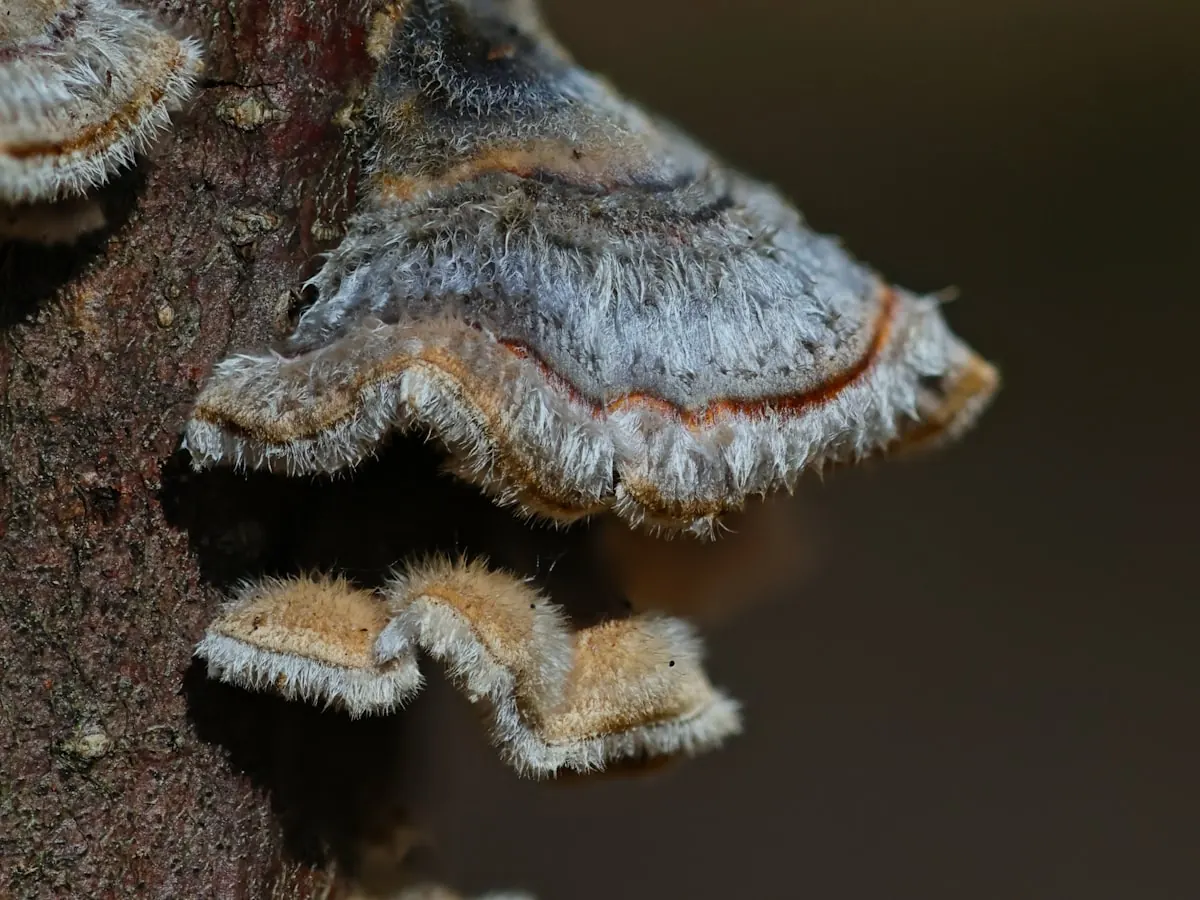
Cankers, fungus and infection that spread and weaken the wood.
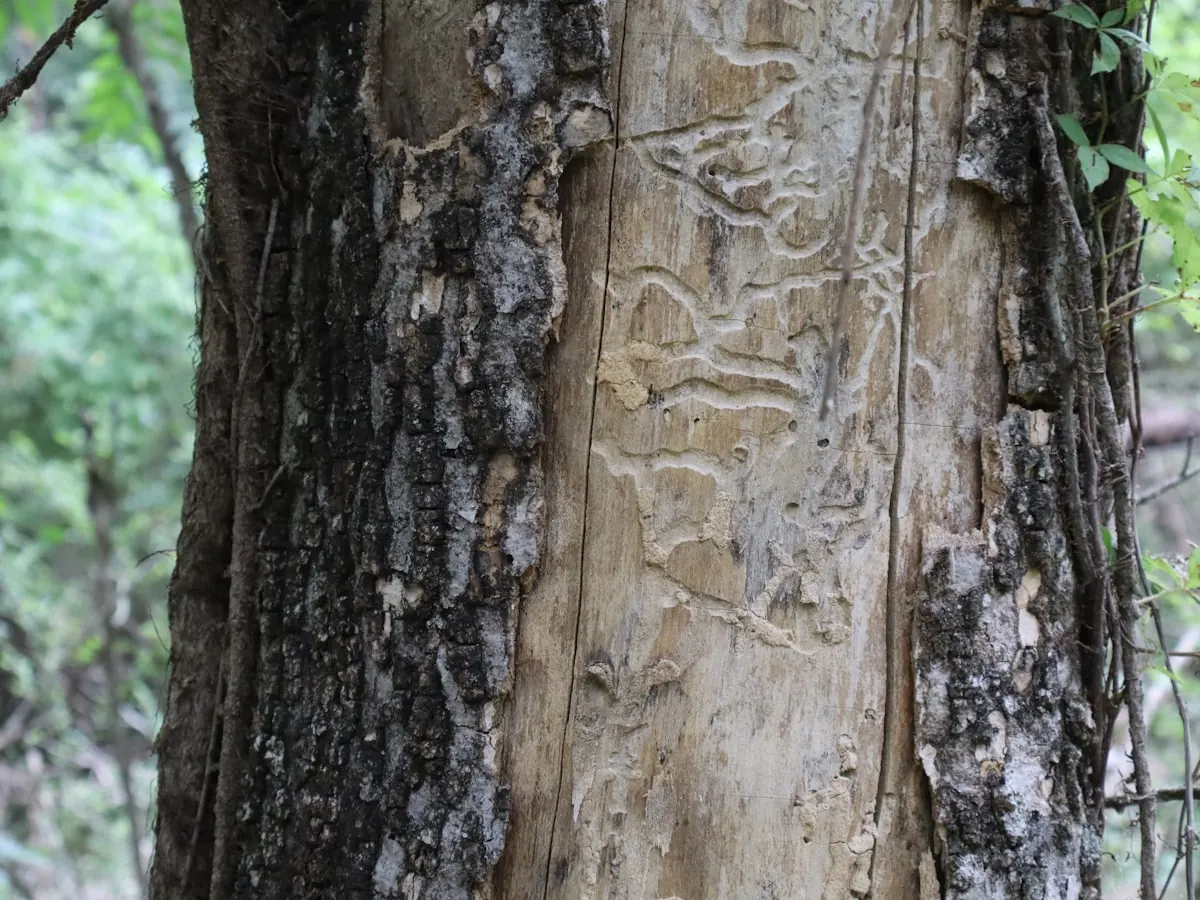
Borers and beetles that can kill a tree from the inside out.
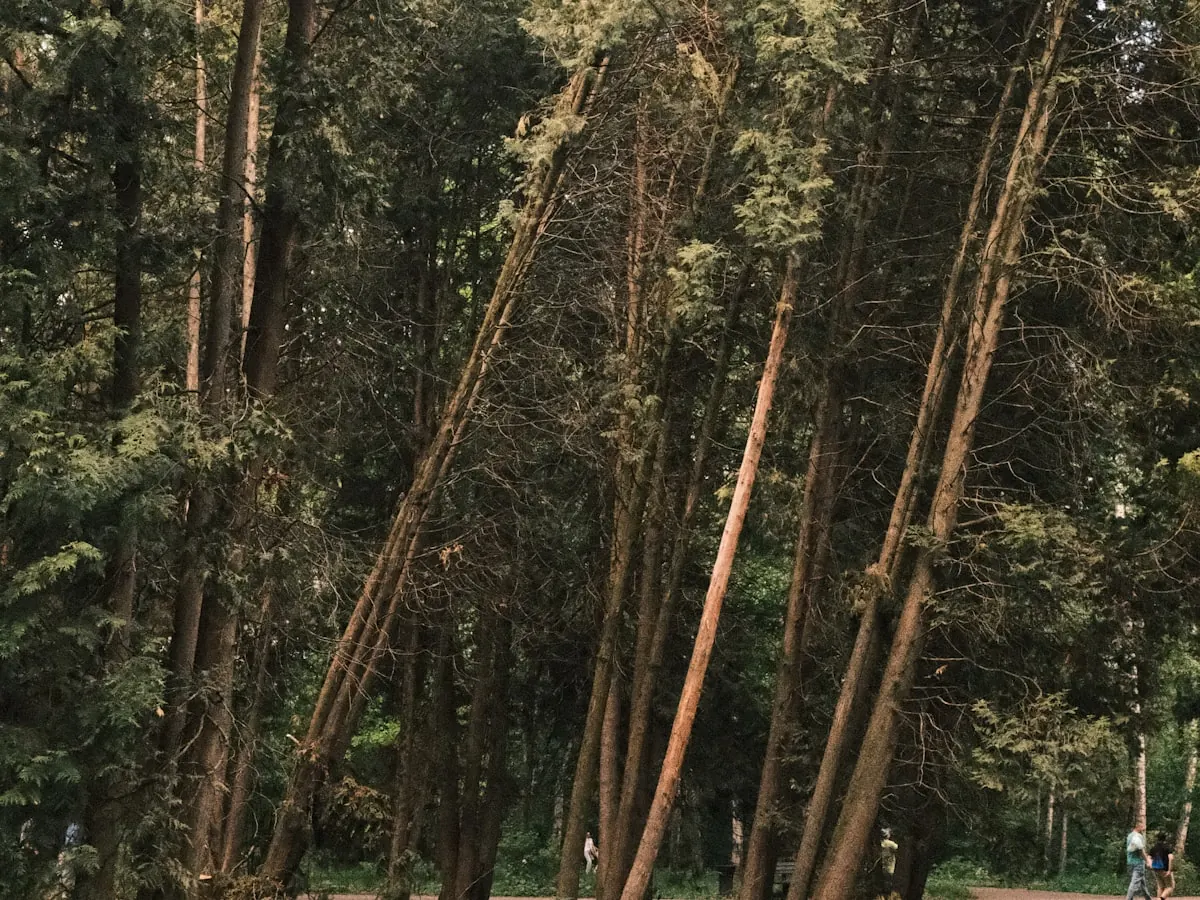
Leans that may signal a root plate beginning to fail.
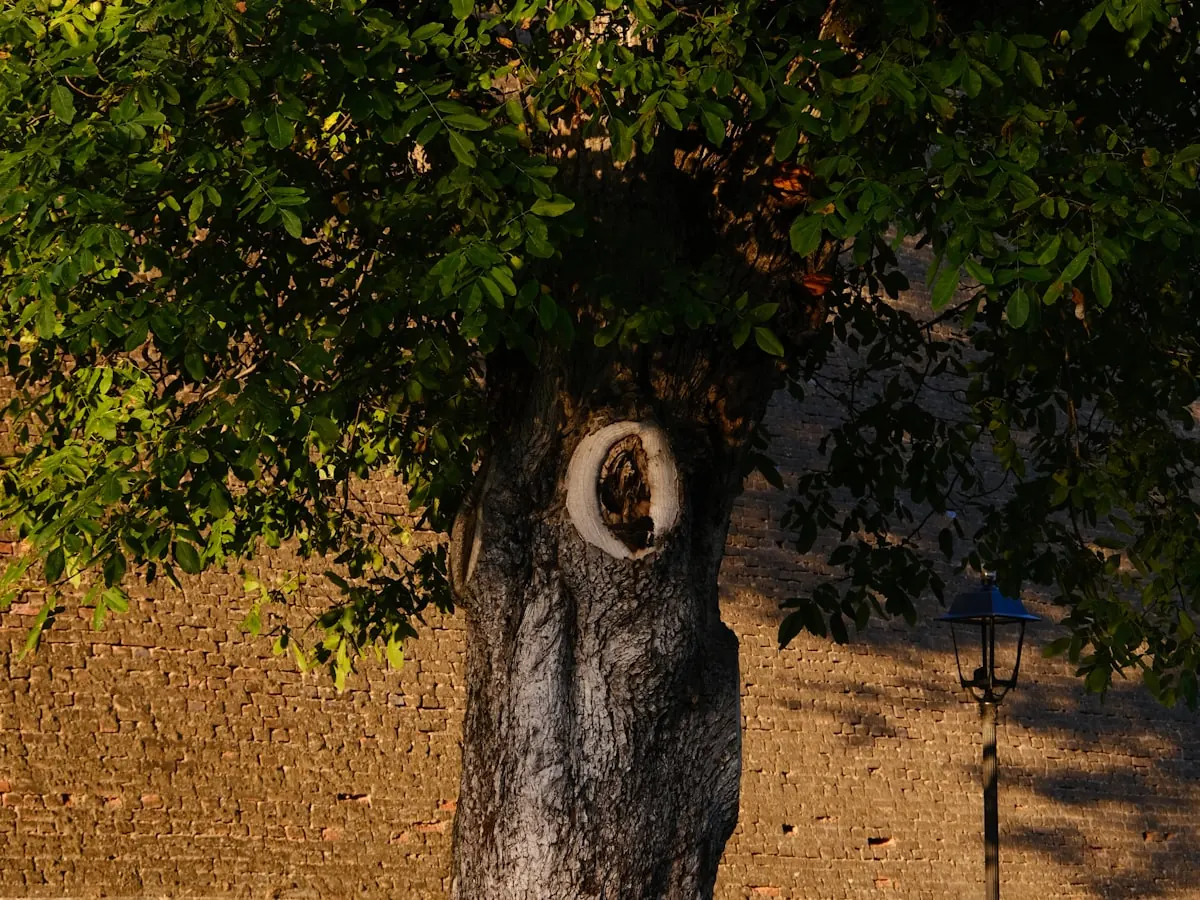
Cavities, splits and seams that cost the stem its strength.
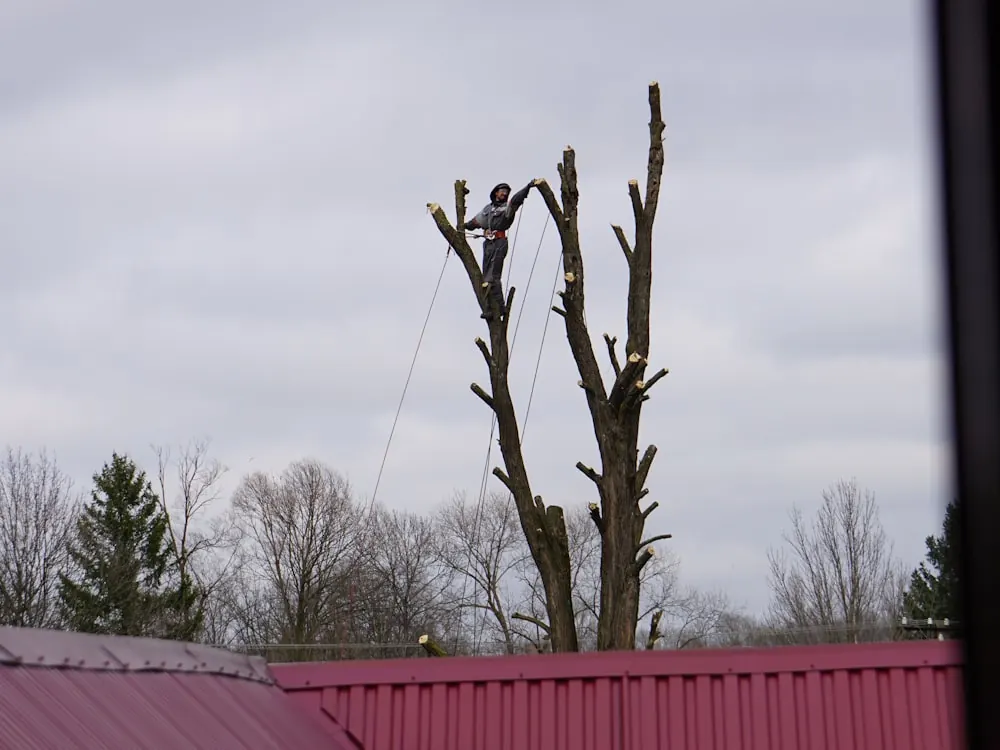
Heavy, split or poorly attached limbs that can fail under load.
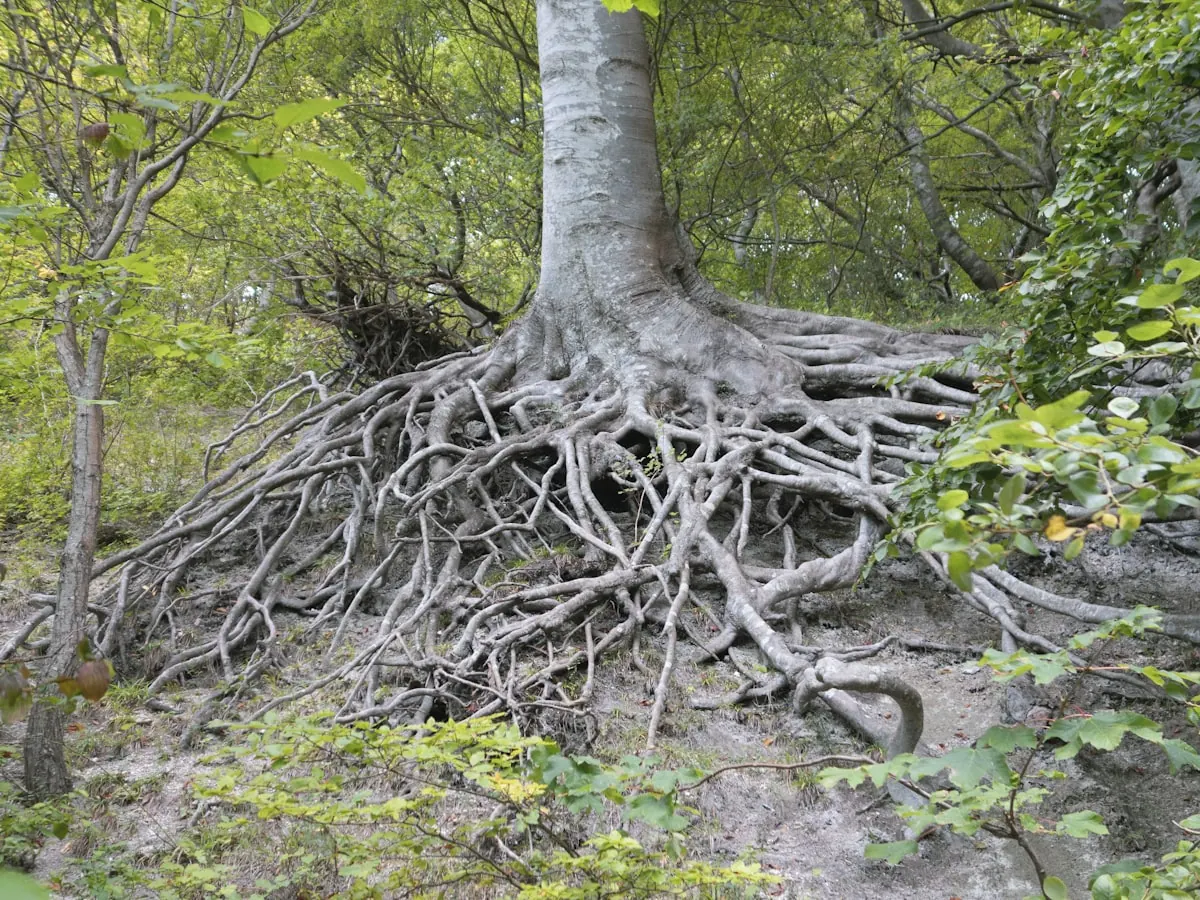
Cut, decayed or heaving roots that undermine the anchor.
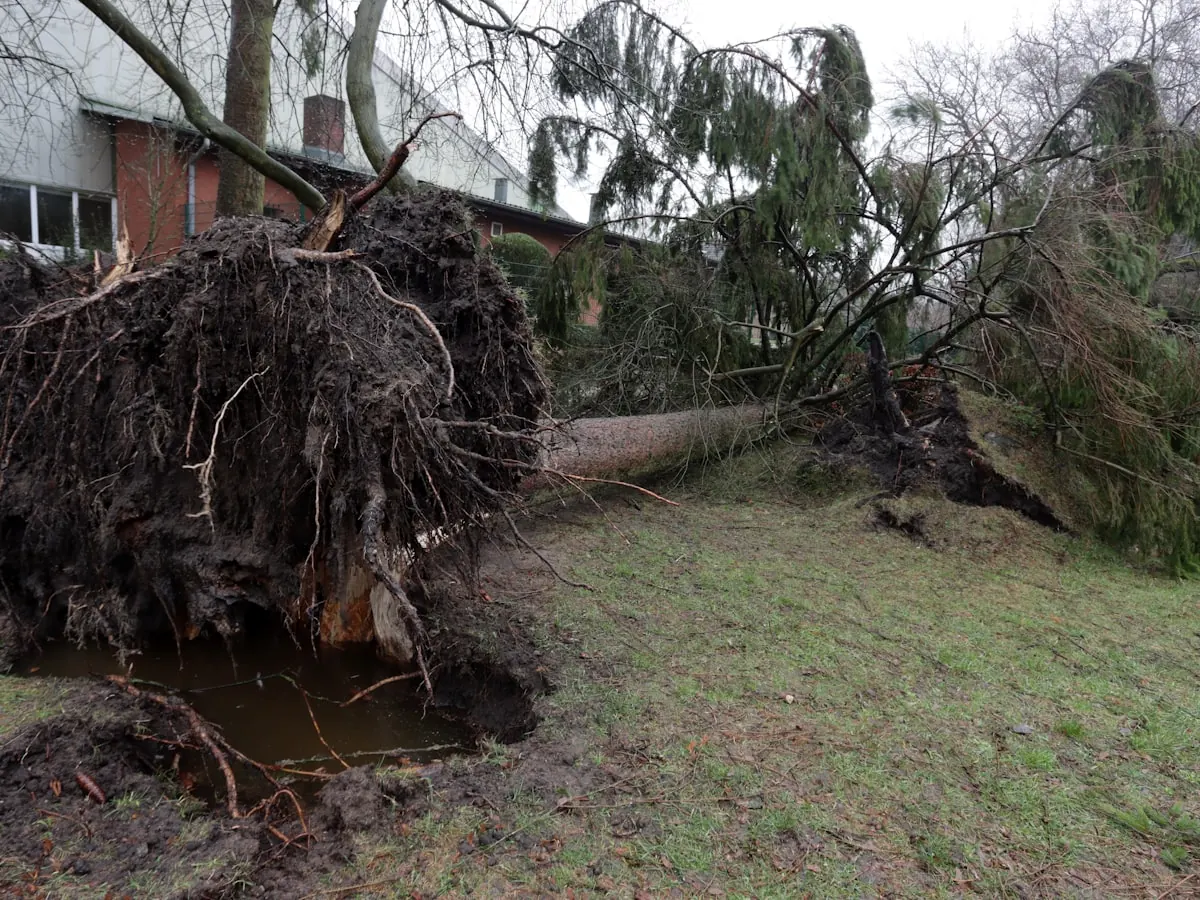
Split, broken and destabilized trees left after a storm.
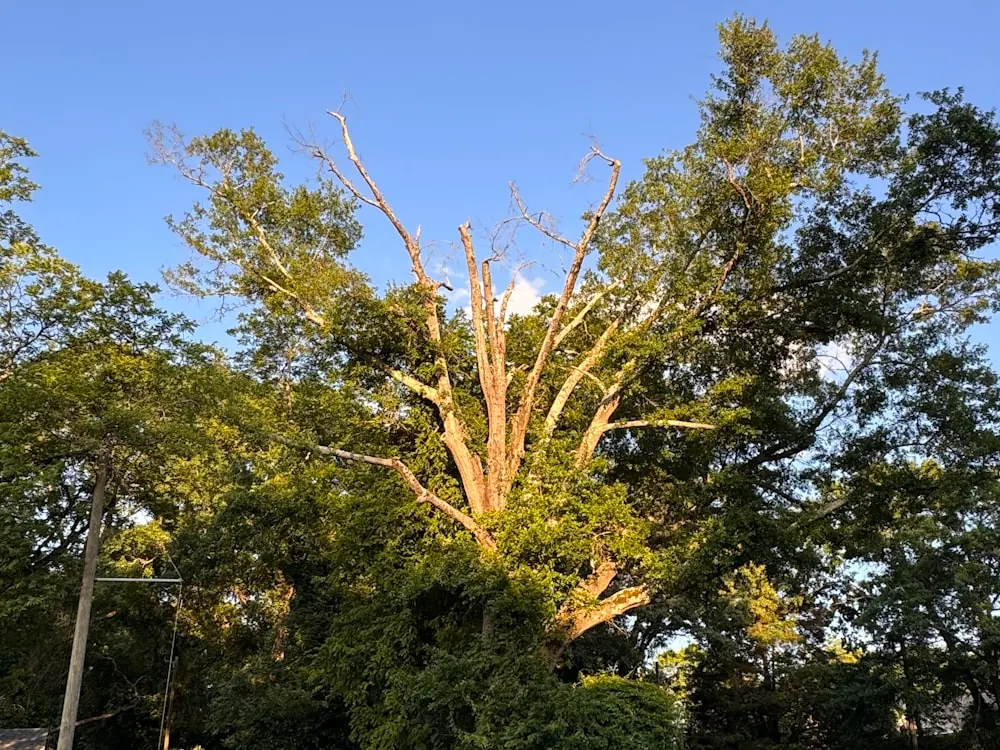
Thinning canopies and progressive dieback that signal decline.
Where we work
We're based in Wilmington and handle tree permits and arborist reports throughout New Castle, Kent and Sussex counties. Tree rules change at town lines, so we check your exact address.
Street-tree permits in Wilmington, the City of New Castle and Newark, plus arborist reports for builders and county land-use review.
Arborist reports and risk assessments for homeowners, HOAs and new subdivisions, with town rules checked in Dover and beyond.
Reports for insurers, HOAs and beach-area properties, where most unincorporated land has no tree ordinance at all.
How it works
From your first call to a permit decision or finished report, with a written quote before we start.
Call (302) 702-0736 or use our contact form. Tell us what the permit or report is for.
We confirm which town or county rules apply and one of our tree experts inspects the tree.
Within 24 hours you get a written quote for the permit work, the report, or both.
We deliver the arborist report and handle the permit paperwork where one is needed.
More of what we do
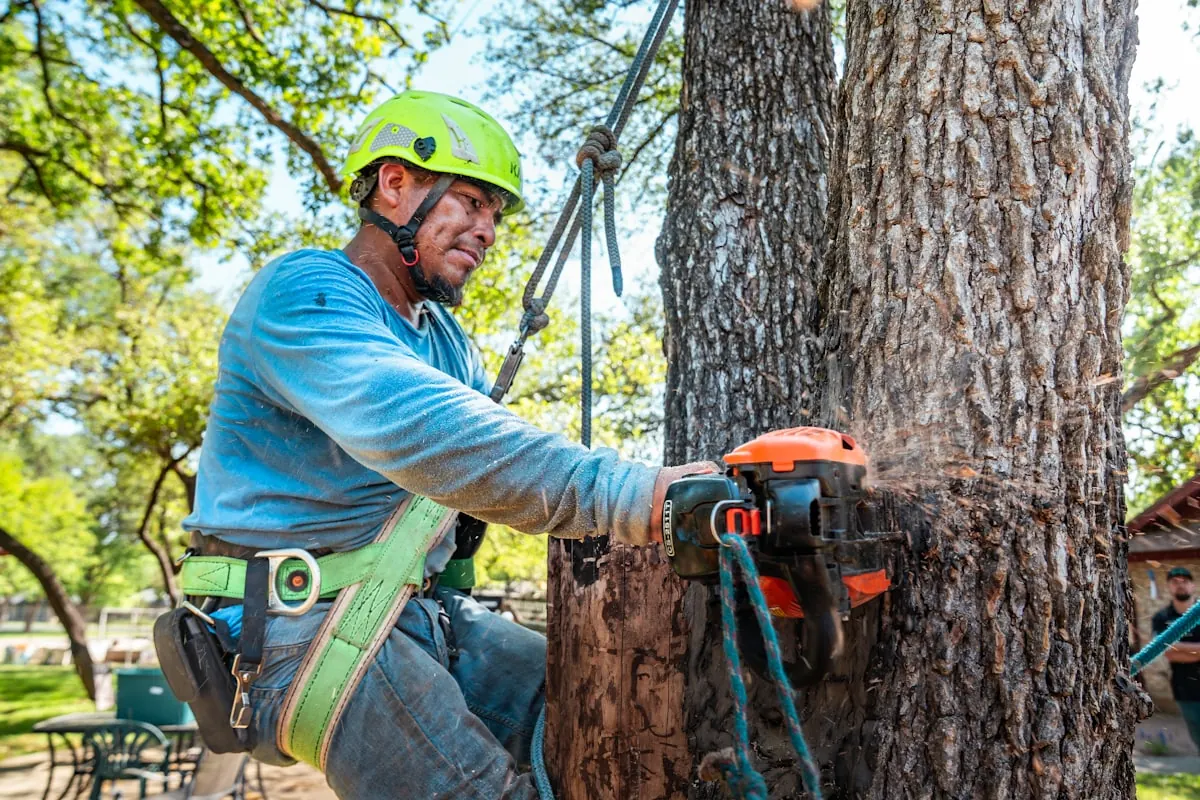
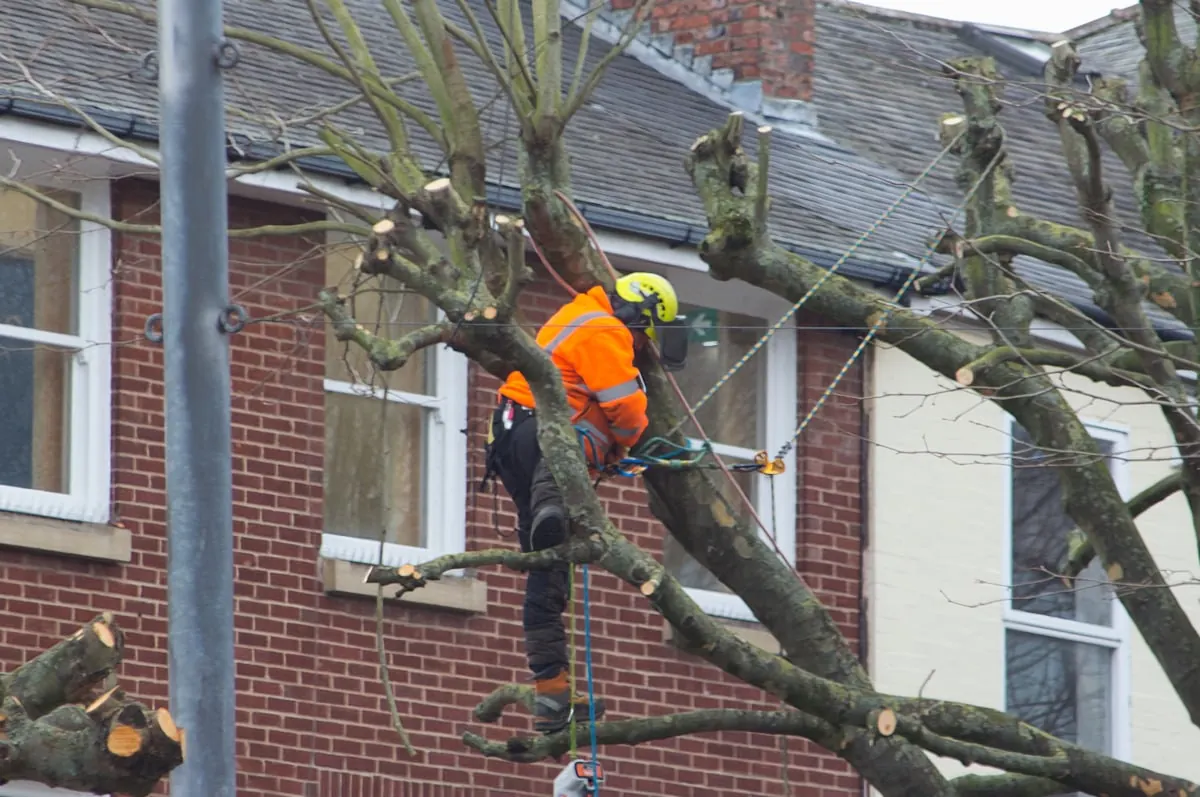
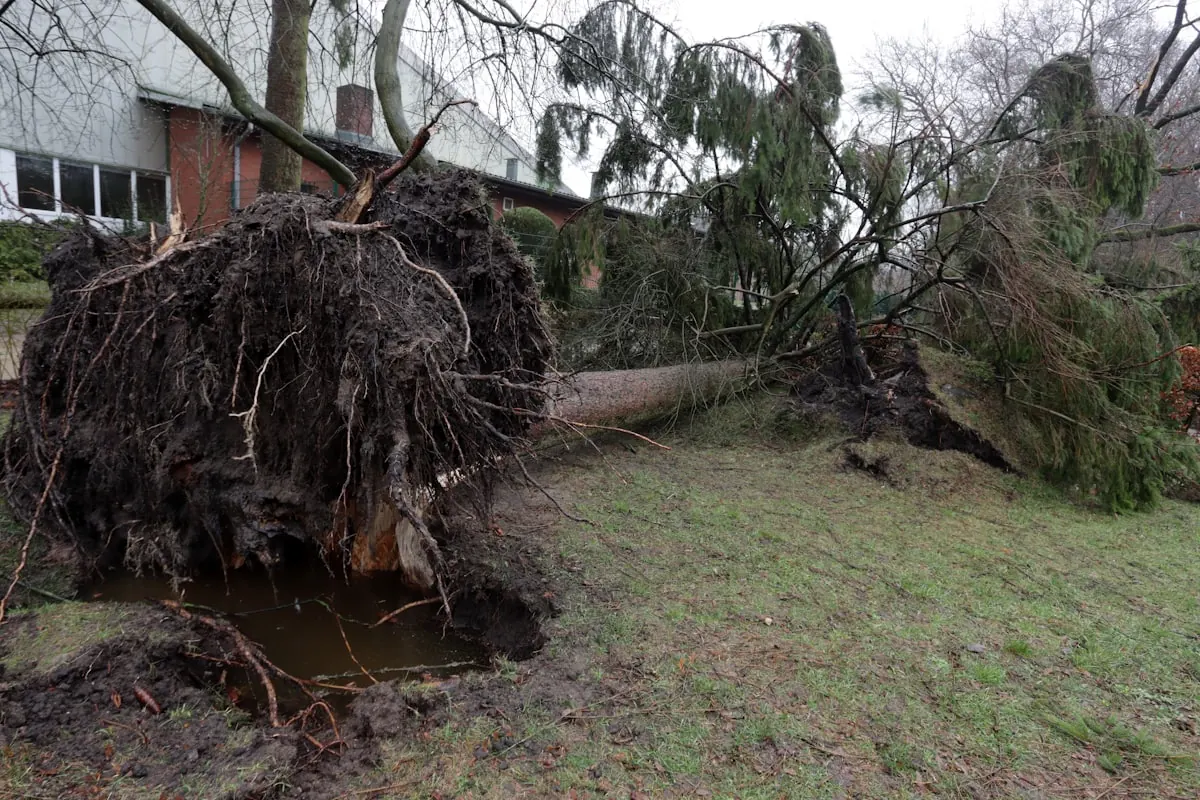
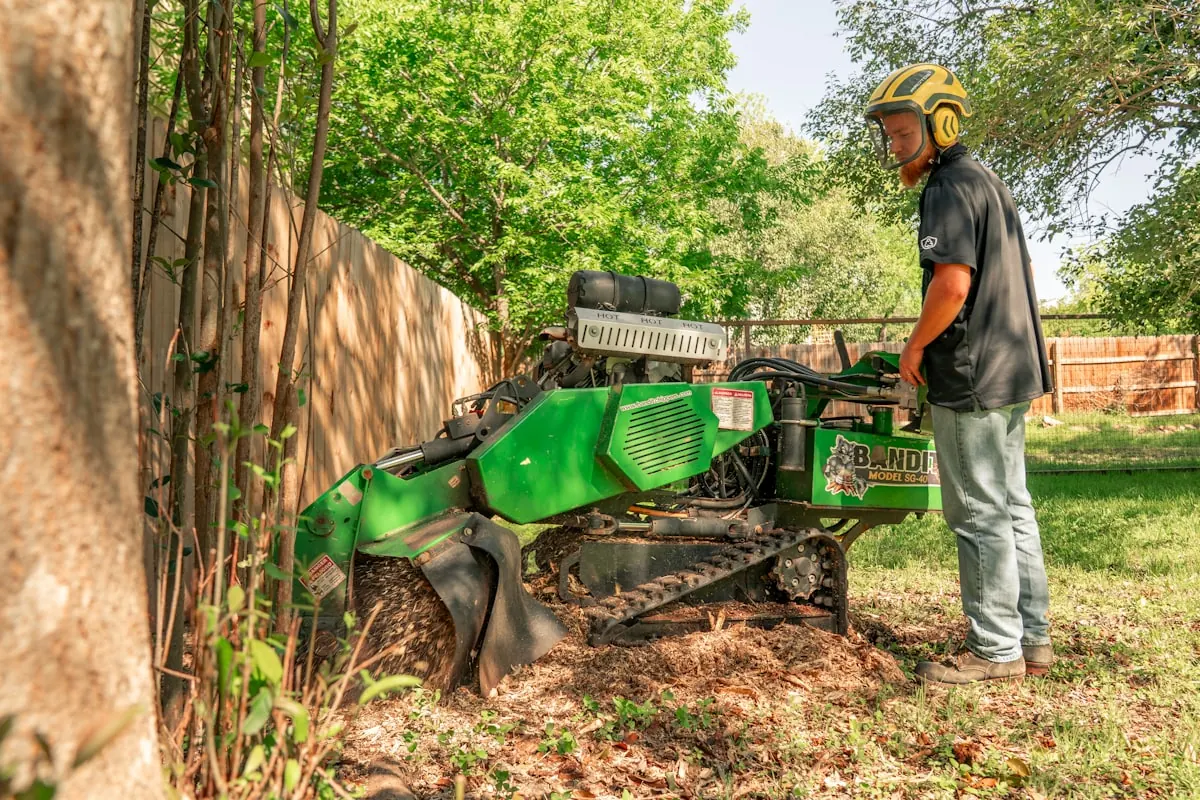
Google reviews
The crew arrived on time, took down a large oak leaning over the garage, and left the yard spotless. Clear written quote up front, no surprises. Highly recommend.
They handled the City permit for a street tree so I did not have to, explained every step, and the price was fair. Professional from start to finish. Would absolutely use again.
A storm dropped a limb across the driveway overnight. They answered right away and had it cleared the same day, and were careful working around the power line. Lifesavers.
Someone actually came and looked at the tree instead of quoting over the phone. Honest assessment. He recommended pruning rather than removal and saved us a lot of money.
Stump grinding and full cleanup were both included in the written scope, no add-ons at the end. Insured, tidy, and right on schedule. Great experience overall.
Great communication from the first call to the final walkthrough. They protected the lawn and beds, hauled everything away, and the yard looked better than before. Five stars.
Questions
In most of Delaware, yes, if the tree is on your own property and clear of the right-of-way. Delaware has no statewide removal permit. The exceptions are towns with street-tree rules: in Wilmington, even pruning cuts over 2 inches on a regulated street tree need a permit, and the City of New Castle and Newark have their own ordinances. Check your address first.
Usually, yes. On unincorporated county land, a tree that stands entirely within your property is normally yours to remove. Inside Wilmington, New Castle or Newark, check whether the tree sits in the right-of-way, which often extends further from the curb than owners expect. Also check HOA rules, and call your utility if the tree is near a power line.
It depends on where the tree is. A street tree in Wilmington needs an Urban Forestry Program permit. In the City of New Castle, Chapter 210 covers street trees. Newark has its own tree code. Clearing larger areas can also trigger county land-use review. On ordinary private property elsewhere, you usually need no permit at all. We confirm it for your address.
Not if the tree belongs to someone else or to the town. Cutting a neighbor's tree, or a regulated street tree in Wilmington or New Castle, without permission can create legal trouble and replacement obligations under local rules. On your own property, outside those rules, you don't need anyone's permission. When the property line is unclear, get a survey first.
A common rule of thumb is to remove no more than about a quarter of a mature tree's live canopy in one year. Older and stressed trees should lose less. Topping, cutting the main stems back to stubs, can kill a tree or leave it weak and dangerous. Proper pruning cuts back to a branch collar or a lateral branch.
Same-day response, a written quote within 24 hours and no obligation. We check permit rules and write arborist reports in every Delaware county.